DISCOVER MORE TRAVEL
France Travel Guide
From the grand boulevards of Paris to lavender-scented Provence, Atlantic surf towns and Alpine villages, France offers remarkable variety. Use this guide to choose the right region, plan your route and make the most of your visit.
Best Time to Visit France
Best weather: April to June and September to October are generally the most comfortable months across many regions, though the Alps, Mediterranean coast and Atlantic coast have different seasonal patterns.
Fewer crowds: November to March is quieter outside Christmas and ski resorts, but weather is colder and some rural attractions reduce hours. May, June and September can be good compromises; avoid school holidays and major events for lower visitor numbers.
Where to go in France
Paris and northern France
Paris is an obvious starting point for museums, architecture, cafés and neighbourhood walks. Beyond the capital, explore Normandy's coastline and history, Lille's attractive old town, and the gardens and châteaux of the Loire Valley.
Provence and the French Riviera
Provence is known for hilltop villages, markets, vineyards and summer fields, while the Mediterranean coast brings beaches, harbours and lively towns such as Nice, Antibes and Menton. Inland routes are especially rewarding if you have a car.
South-west France and the Atlantic coast
Discover Bordeaux and its surrounding wine country, the food culture of the Dordogne, and long sandy beaches around Biarritz and the Landes. This region suits travellers who enjoy food, nature and a slower pace.
The French Alps and east
Mountain scenery, walking trails, lakes and winter sports make the Alps a year-round draw. Alsace, near the German border, offers timber-framed towns, vineyards and a distinctive blend of French and German influences.
Explore France's cities
Choose a city guide for detailed sightseeing ideas, local experiences, suggested itineraries and practical advice. Paris is a classic first visit; Lyon is a highlight for food and history; Strasbourg and Colmar reveal Alsace's canals and timber-framed streets; Bordeaux is the gateway to celebrated vineyards; and Nice is a Mediterranean base for the French Riviera.
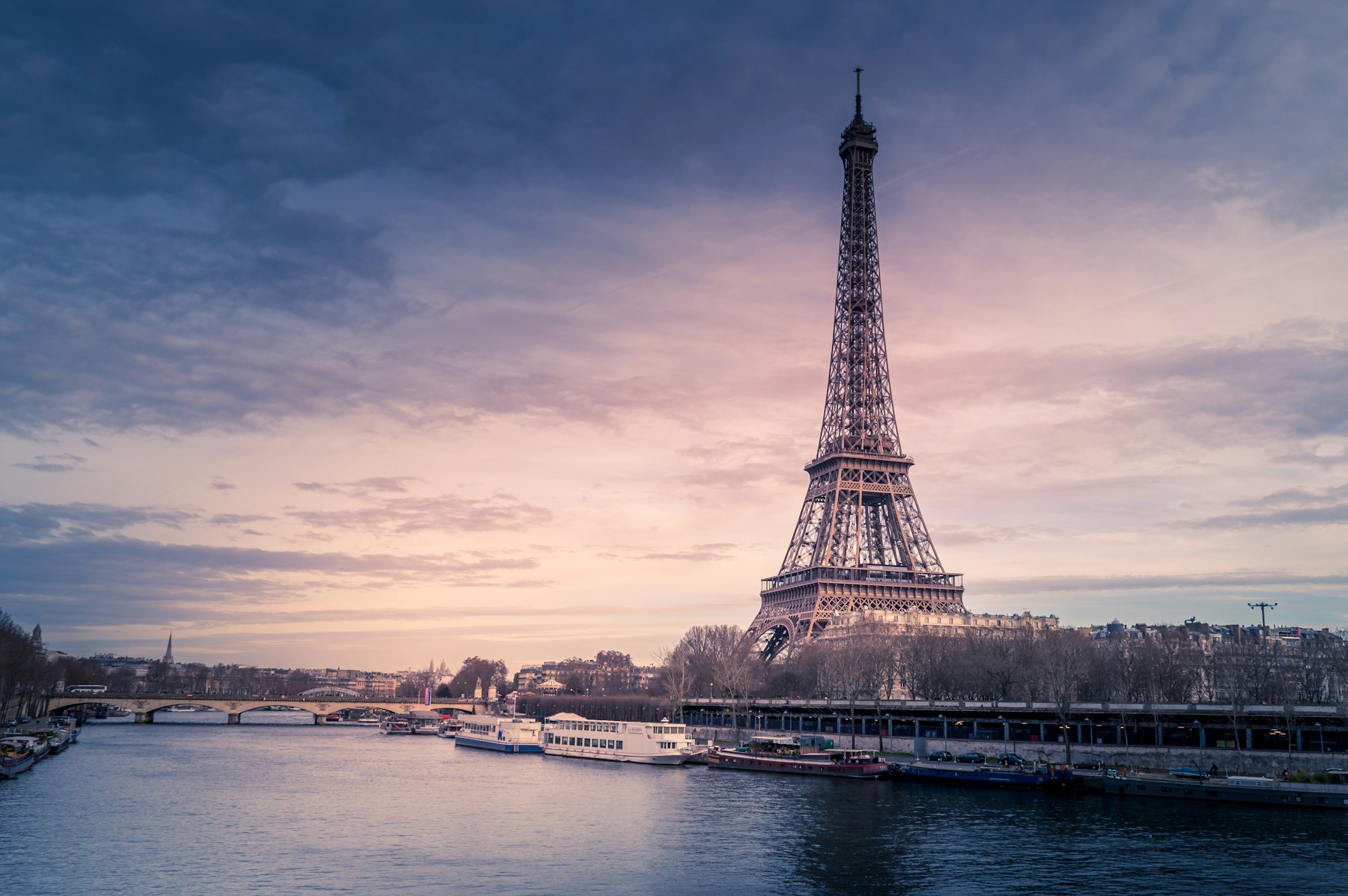
- Paris: Art museums, the Louvre, Eiffel Tower, Sacré-Cœur and neighbourhood strolls.
- Lyon: A culinary centre with historic districts, food markets and riverfront dining.
- Strasbourg: Alsatian canals, timber-framed architecture, cathedral and seasonal markets.
- Colmar: Petite Venise, colourful old-town streets and the Alsace Wine Route.
- Bordeaux: Historic architecture, the riverfront and nearby vineyards including Saint-Émilion.
- Nice: The old town, Mediterranean waterfront and easy access to the French Riviera.
When is the best time to visit?
Spring and early autumn are often excellent for city breaks and sightseeing, with milder weather and fewer peak-season crowds. Summer is popular for the coast and mountains but can be busy and hot in major cities. Winter is ideal for Alpine skiing and atmospheric city visits, although some rural attractions operate shorter hours.
Getting around France
High-speed trains connect major cities, making rail a convenient choice for routes such as Paris–Lyon, Paris–Bordeaux and Paris–Marseille. Regional trains and buses reach many smaller destinations. A hire car is useful for rural Provence, the Dordogne and some wine regions, but can be unnecessary in large cities.
How long should you spend?
- 3–4 days: Focus on Paris, or choose one compact region.
- 7 days: Combine Paris with one other area, or explore a region in depth.
- 10–14 days: Add a second or third region, allowing time for slower travel.
Practical tips before you go
- Check passport validity and entry requirements for your nationality before travel.
- Book popular museums, major attractions and summer accommodation ahead.
- Learn a few basic French greetings; a polite “Bonjour” is appreciated.
- Check local transport timetables, strike notices and seasonal opening days.
- Consider travel insurance and confirm what your policy covers.
France rewards thoughtful planning, but there is no need to rush. Choose a region that matches your interests and leave room for markets, village walks and unplanned discoveries.
← Back to Europe travel guides
Recommended Travel Guidebooks
A good guidebook can help you discover local highlights, plan your days and find experiences beyond the main tourist sights. These searches are a useful starting point for planning your visit to france:
- Lonely Planet – france: Practical destination information, suggested routes and ideas for exploring. Find on Amazon UK.
- DK Eyewitness – france: Visual inspiration, maps and sightseeing highlights. Find on Amazon UK.
- Rough Guides – france: Independent travel ideas and background for a deeper destination experience. Find on Amazon UK.
As an Amazon Associate, Discover More Travel earns from qualifying purchases.