DISCOVER MORE TRAVEL
Nice Travel Guide
Nice is a Mediterranean city with a colourful old town, a celebrated seafront promenade, lively markets and easy rail access to the French Riviera. This guide covers the best of the city and how to explore the coast without trying to do everything in one trip.
Why visit Nice?
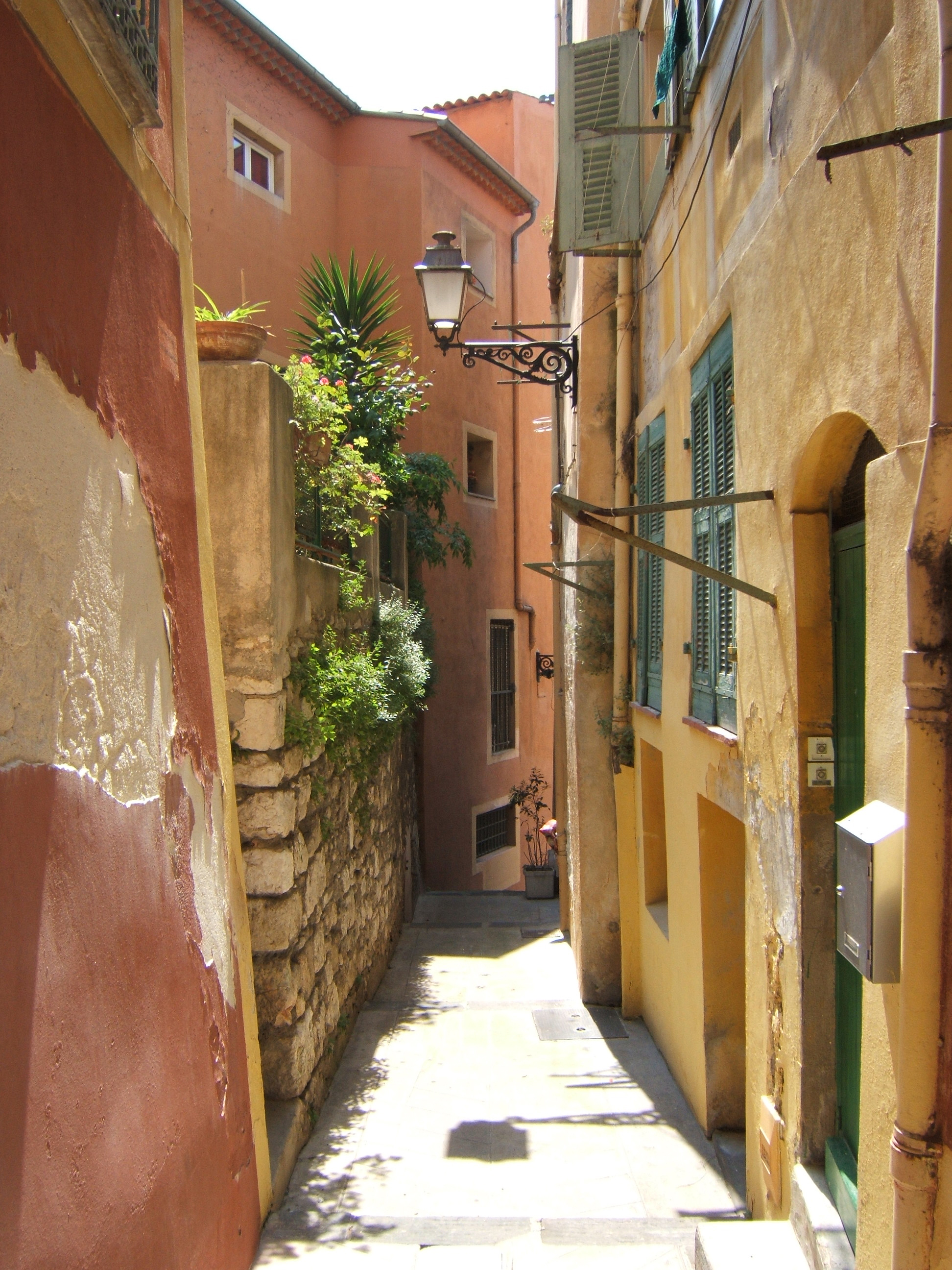
Nice combines a long Mediterranean waterfront with a historic centre of narrow lanes, pastel façades and lively squares. It is a practical base for exploring the French Riviera by train, with coastal towns and viewpoints within reach. The city also has a strong food culture shaped by Provençal and Ligurian influences.
Top things to see and do
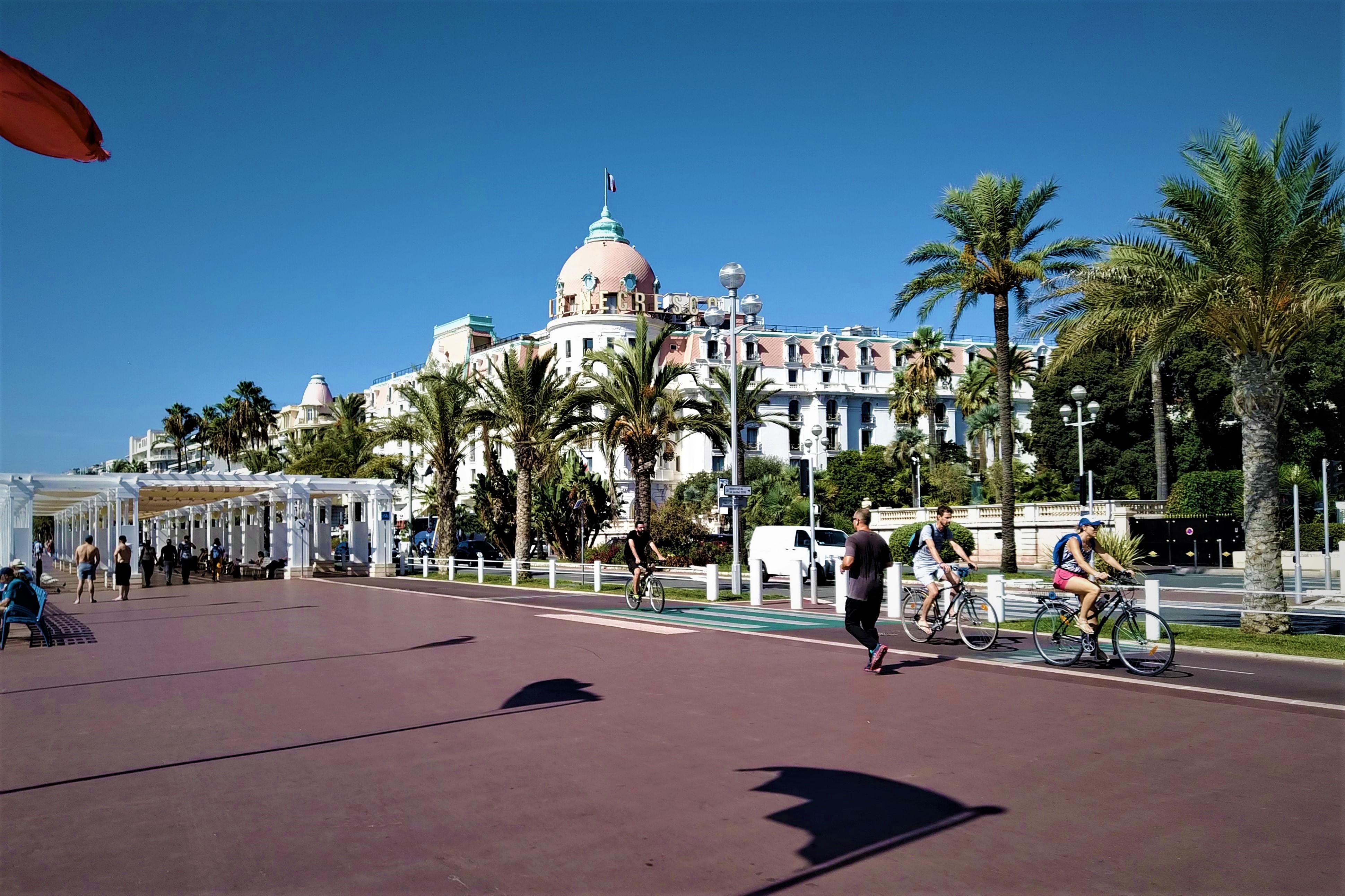
- Promenade des Anglais: Walk or cycle along the waterfront and enjoy views over the Baie des Anges.
- Vieux Nice: Explore narrow streets, colourful buildings, churches and small shops.
- Colline du Château: Climb or take the lift for panoramic views over the city and bay.
- Cours Saleya: Browse the flower and food markets; check market days and hours.
- Place Masséna: See the central square and continue into the gardens and shopping streets.
- Musée Matisse: Discover the artist's work in the Cimiez district; check opening arrangements.
- Local cuisine: Try socca, pissaladière and salade niçoise at a traditional local address.
Best Time to Visit Nice
Best weather: April to June and September to October are usually ideal for sightseeing, outdoor dining and coastal walks. July and August are hotter and better suited to visitors prioritising beach time.
Fewer crowds: November to March is generally quieter, although major events such as the Nice Carnival can bring busy periods. May, June and September often balance pleasant weather with fewer peak-summer visitors.
A three-day Nice itinerary
- Day 1 – Old Town and waterfront: Explore Vieux Nice and Cours Saleya, then walk the Promenade des Anglais and enjoy dinner in the old town.
- Day 2 – Views and culture: Visit Colline du Château, Place Masséna and one museum, leaving time for the seafront.
- Day 3 – Riviera by rail: Choose one coastal excursion such as Villefranche-sur-Mer, Antibes or Monaco rather than trying to fit in several towns.
Exploring the French Riviera
Coastal trains connect Nice with Villefranche-sur-Mer, Antibes, Cannes and Monaco. Each has a different character, from harbour scenery to beaches and grand promenades. Check train timetables and local transport before setting out, particularly during busy summer periods.
Getting around
Trams and buses serve the city, while the centre and seafront are easy to explore on foot. Regional trains are useful for Riviera day trips. A car is not needed for a typical Nice city break and can be inconvenient in the old town.
Where to stay
Vieux Nice is atmospheric and close to restaurants, while the Carré d'Or and central districts are convenient for the beach and transport. Areas around the station can offer value and useful connections. Check the distance to tram stops, noise levels and whether beach access is included or separately charged.
Practical tips
- Bring comfortable footwear for cobbled lanes and the climb to the castle hill.
- Check beach conditions and whether a beach is public or privately operated.
- Use trains for coastal day trips and allow extra time in peak season.
- Book accommodation early for major events and summer holidays.
← Back to the France travel guide
Recommended Travel Guidebooks

- Lonely Planet France: Regional travel routes and advice. Find on Amazon UK.
- DK Eyewitness French Riviera: Illustrated inspiration and sightseeing. Find on Amazon UK.
As an Amazon Associate, Discover More Travel earns from qualifying purchases.