
DISCOVER MORE TRAVEL
Paris Travel Guide
Plan a memorable Paris city break, from world-class art and landmark architecture to café terraces, riverside walks and characterful neighbourhoods. This guide brings together the essential sights, practical advice and a relaxed three-day itinerary.
Why visit Paris?
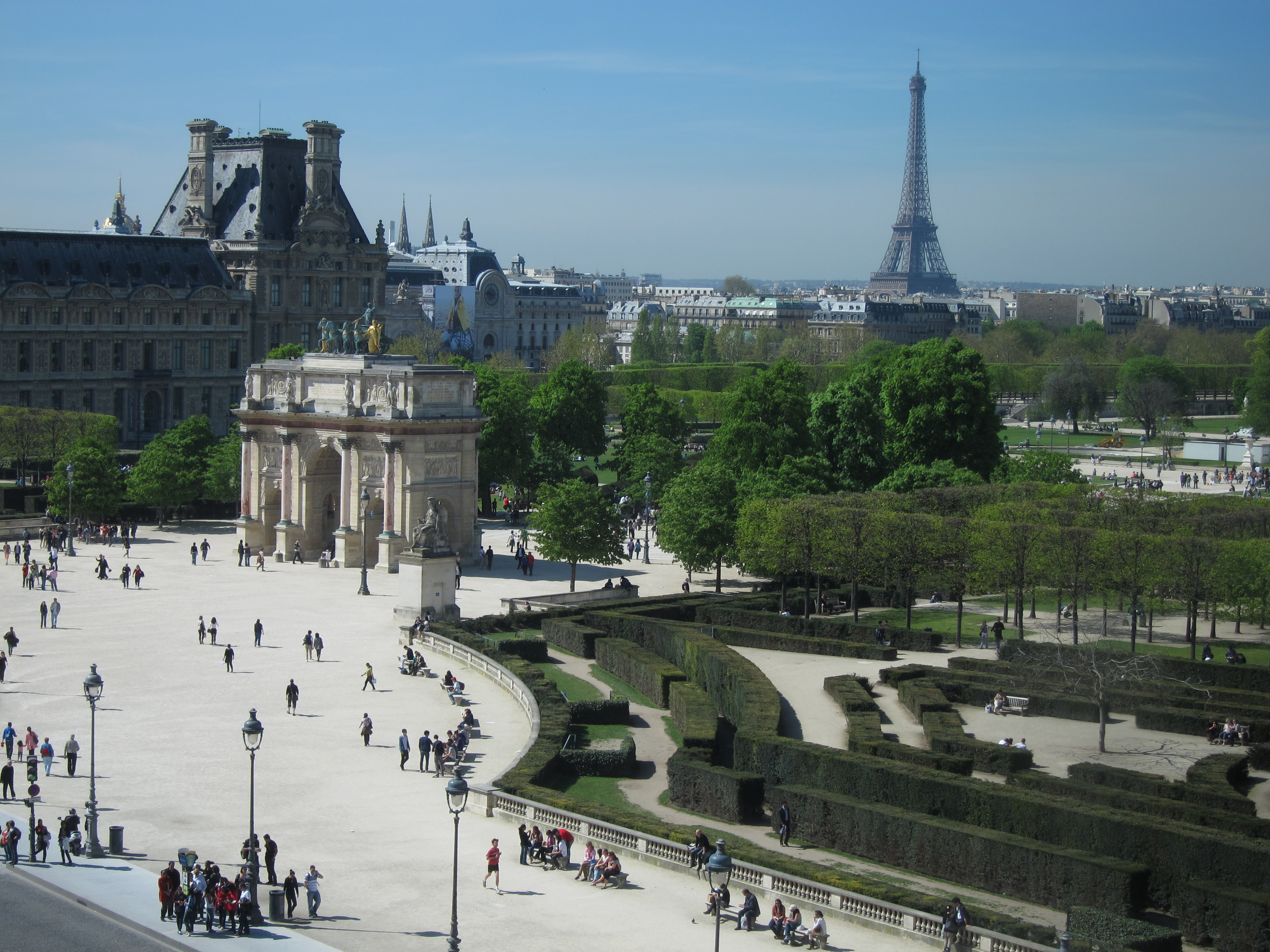
Paris combines major museums, grand boulevards, intimate streets and riverside scenery. The Louvre, Musée d'Orsay and Centre Pompidou collections (check current opening arrangements) make it a leading art destination, while the Eiffel Tower, Arc de Triomphe and Sacré-Cœur are defining landmarks. Much of the pleasure is simply exploring one neighbourhood at a time.
Top things to see and do
- The Louvre: Allow several hours and choose a few collections rather than trying to see everything.
- Eiffel Tower and Trocadéro: Enjoy the views from the gardens and book tower access ahead where possible.
- Montmartre and Sacré-Cœur: Explore the hilltop lanes, artists' quarter and basilica viewpoints.
- Île de la Cité: Walk around the historic heart of Paris and check visitor arrangements for Notre-Dame.
- Musée d'Orsay: See its celebrated Impressionist collection in a former railway station.
- Le Marais and Saint-Germain-des-Prés: Browse independent shops, galleries, cafés and historic streets.
- Seine riverbanks: Walk the quays or take a boat trip for a different view of the monuments.
Best Time to Visit Paris
Best weather: April to June and September to October usually offer comfortable sightseeing temperatures and pleasant conditions for walking.
Fewer crowds: January to March and November (outside major events) are generally quieter. Expect cooler weather and shorter daylight; book around fashion weeks, school holidays and major exhibitions if crowd levels matter.
A relaxed three-day Paris itinerary
- Day 1 – Historic centre: Explore Île de la Cité, the Seine quays and the Louvre area; finish with a neighbourhood dinner.
- Day 2 – Landmark Paris: Visit the Eiffel Tower and Trocadéro, stroll along the river and spend the afternoon around the Arc de Triomphe or Champs-Élysées.
- Day 3 – Montmartre and the Right Bank: Visit Sacré-Cœur early, wander Montmartre, then explore Le Marais or a museum of your choice.
Getting around
The Metro and RER make it easy to cover longer distances, while walking is often the best way to explore individual districts. Check the latest ticketing options and service updates before travelling. Avoid trying to cross the whole city repeatedly in one day; group sights by neighbourhood.
Where to stay
Choose a base near a Metro station rather than paying extra solely for a famous address. The Marais and Latin Quarter suit visitors who want central streets and cafés; Saint-Germain is atmospheric; areas around Opéra and the Grands Boulevards are useful for transport and shopping. Compare evening noise, room size and cancellation terms before booking.
Useful day trips
Versailles is the classic palace-and-gardens excursion. Giverny is a seasonal choice for Monet's house and gardens, while Chartres offers a remarkable cathedral. Check opening days and transport connections before setting out.
Practical tips
- Reserve timed entry for major museums and popular attractions.
- Start popular sights early and leave time for spontaneous neighbourhood walks.
- Keep valuables secure in busy transport hubs and crowded tourist areas.
- Learn a few French greetings and check restaurant opening days.
← Back to the France travel guide
Recommended Travel Guidebooks
- Lonely Planet Paris: Practical routes and neighbourhood ideas. Find on Amazon UK.
- DK Eyewitness Paris: Visual sightseeing inspiration and maps. Find on Amazon UK.
As an Amazon Associate, Discover More Travel earns from qualifying purchases.