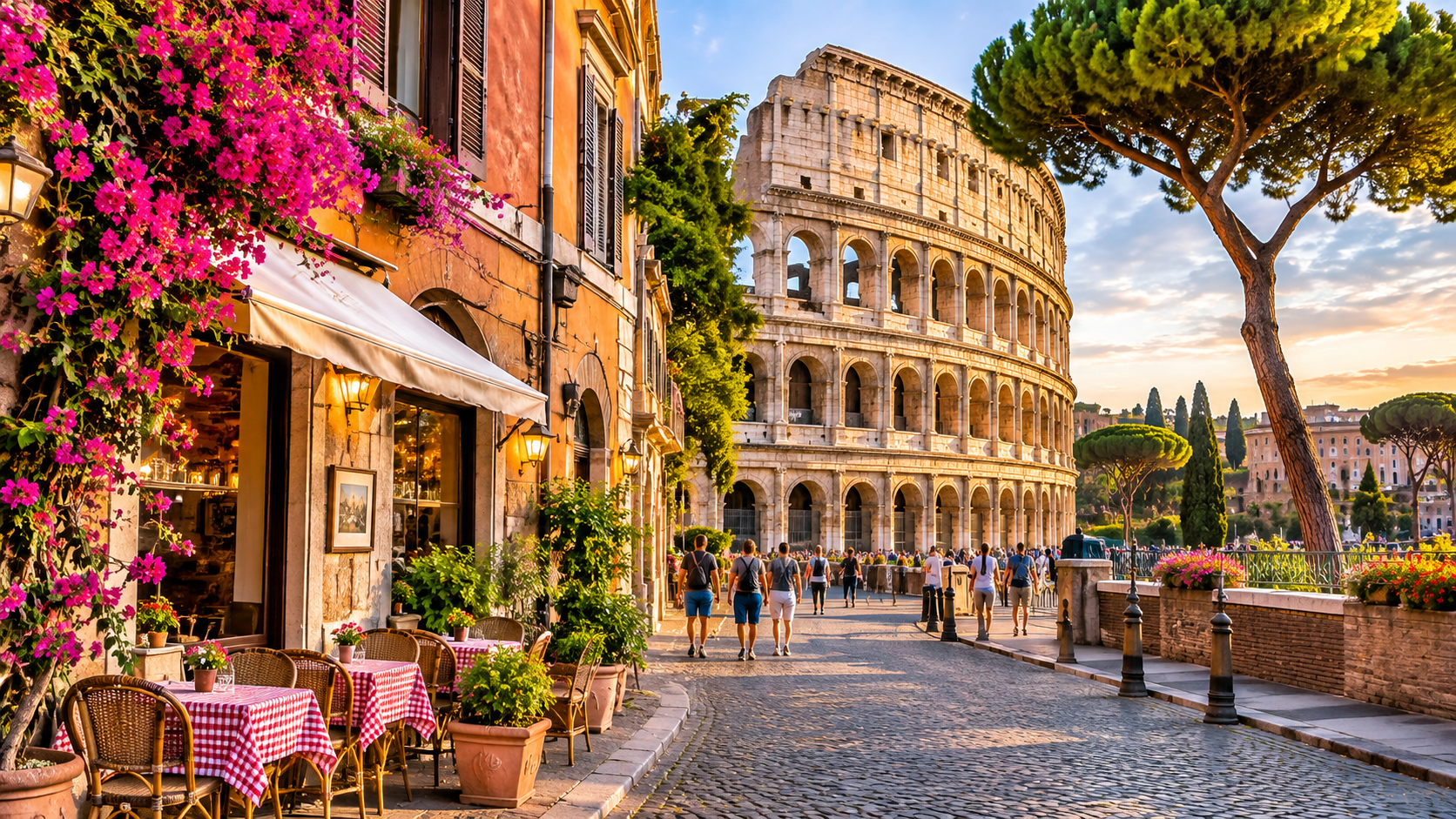
DISCOVER MORE TRAVEL
Rome Travel Guide: Historic Centre, Neighbourhoods and 3-Day Itinerary
Rome is best explored in neighbourhood-sized sections. Ancient monuments, grand piazzas, churches and everyday cafés sit close together, but queues and walking distances can make a packed itinerary tiring. Three days gives a strong introduction; a longer stay allows time for museums and quieter districts.
Best Time to Visit Rome
Best weather: April to June and September to October are usually warm and comfortable for sightseeing. July and August can be very hot, with some local businesses closing or reducing hours in August.
Fewer crowds: November to February is generally quieter outside Christmas and major events, though it can be cool and rainy. March and late October can balance pleasant weather with fewer visitors; avoid Easter and peak summer.
Where to explore
Ancient Rome
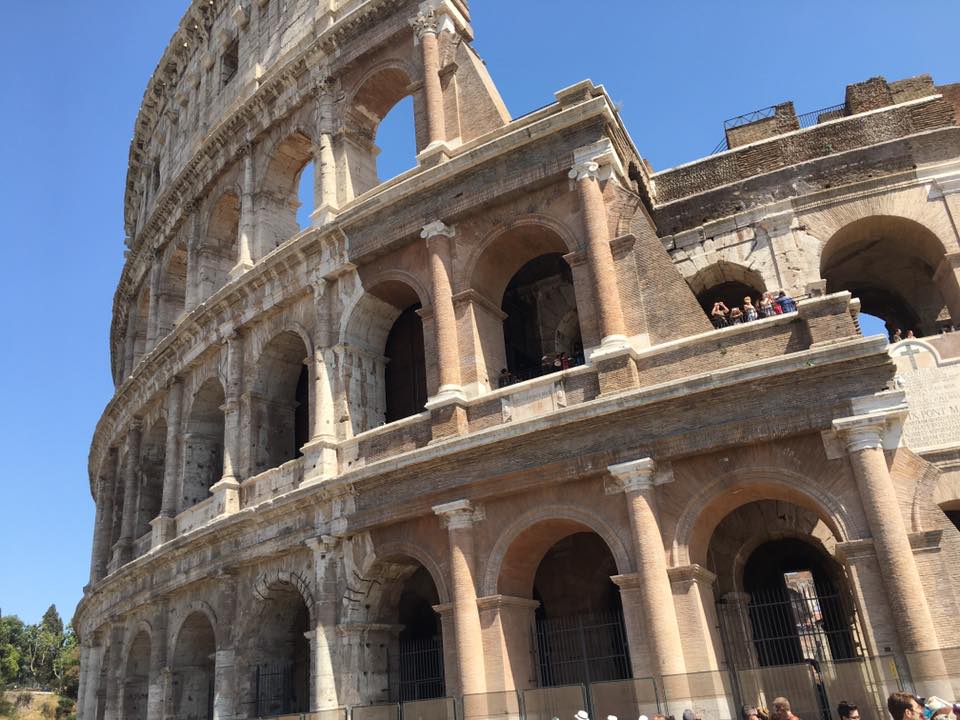
The Colosseum, Roman Forum and Palatine Hill form the essential ancient-Rome cluster. Book timed entry from official channels where possible and allow several hours for the combined visit. Comfortable shoes, water and sun protection are important, especially in warmer months.
Centro Storico
The historic centre links the Pantheon, Piazza Navona, Trevi Fountain and Spanish Steps. These sights can be combined on foot, with time for churches, small streets and café stops. The area is busiest during the middle of the day, so consider an early or evening walk.
Vatican City and Prati
St Peter’s Basilica and the Vatican Museums deserve a dedicated half-day or more. The museums can be busy, so check official opening days and ticket arrangements. Prati, just beyond the Vatican area, has broad streets and plenty of places to eat.
Trastevere and Testaccio
Trastevere is known for its lanes, churches and lively evening dining. Testaccio offers a more food-focused neighbourhood feel, with markets and traditional Roman cooking. Both are worth exploring beyond the most photographed streets.
A practical 3-day Rome itinerary
- Day 1 – Ancient Rome: Colosseum, Roman Forum and Palatine Hill, then a relaxed evening in Monti.
- Day 2 – Historic centre: Pantheon, Piazza Navona, Trevi Fountain and the Spanish Steps.
- Day 3 – Vatican and Trastevere: St Peter’s and the Vatican Museums, followed by an evening across the river.
Getting around
Much of central Rome is best explored on foot. Metro and buses help with longer distances, but check service updates and ticket validation rules. Avoid driving in the historic centre unless you understand restricted traffic zones and parking rules.
When to visit
Spring and autumn are often comfortable for walking, while summer can be hot and busy. Winter is generally quieter, although some days are cool or wet. Major religious holidays and public events can affect access and accommodation demand.
Booking and budget tips
- Reserve high-demand sights ahead and use official ticket websites.
- Group visits by area to reduce backtracking.
- Choose accommodation near a useful transport link, not just a famous landmark.
- Budget for city transport, attraction tickets and meals, not only the hotel.
Official planning resources
Turismo Roma is the official tourism website for city itineraries, events and visitor information. Its Rome in 72 hours itinerary is a useful companion when arranging the order of major sights. Check individual attraction websites for current ticketing and entry arrangements.
Budget note: Book major sights early when timed entry is available, but compare the cost of individual tickets with any city pass against the attractions and transport you will genuinely use. Much of the historic centre is walkable, so a central base can reduce local travel costs.
Continue planning Italy
For a wider itinerary linking Rome with Florence, Venice and other regions, read our Italy travel guide.
Recommended travel guidebooks
Want a guidebook to take along? These selected titles can help with sightseeing, local context and planning the rest of your trip.

Guidebooks for Rome Travel Guide
A Rome-focused guide for the historic centre, alongside broader Italy references for excursions and multi-city itineraries.
As an Amazon Associate, Discover More Travel earns from qualifying purchases.