DISCOVER MORE TRAVEL
Crete Travel Guide
Explore Crete, Greece’s largest island, with its ancient Minoan history, dramatic gorges, mountain villages and some of the Mediterranean’s most memorable beaches.
Crete rewards travellers who take their time. Its scale and varied landscapes make it feel like several destinations in one: lively harbour towns, archaeological treasures, rugged mountains, quiet villages and long stretches of coastline. Choose a base that suits your plans rather than trying to cross the island every day.
Best Time to Visit Crete
Best weather: Late April to June and September to October usually offer warm days and comfortable conditions for sightseeing and walking. June to September is best for reliably warm swimming weather.
Fewer crowds: May, early June, late September and October are generally less crowded than July and August. Mountain areas are especially appealing in spring, when the landscape is greener.
Where to Go in Crete
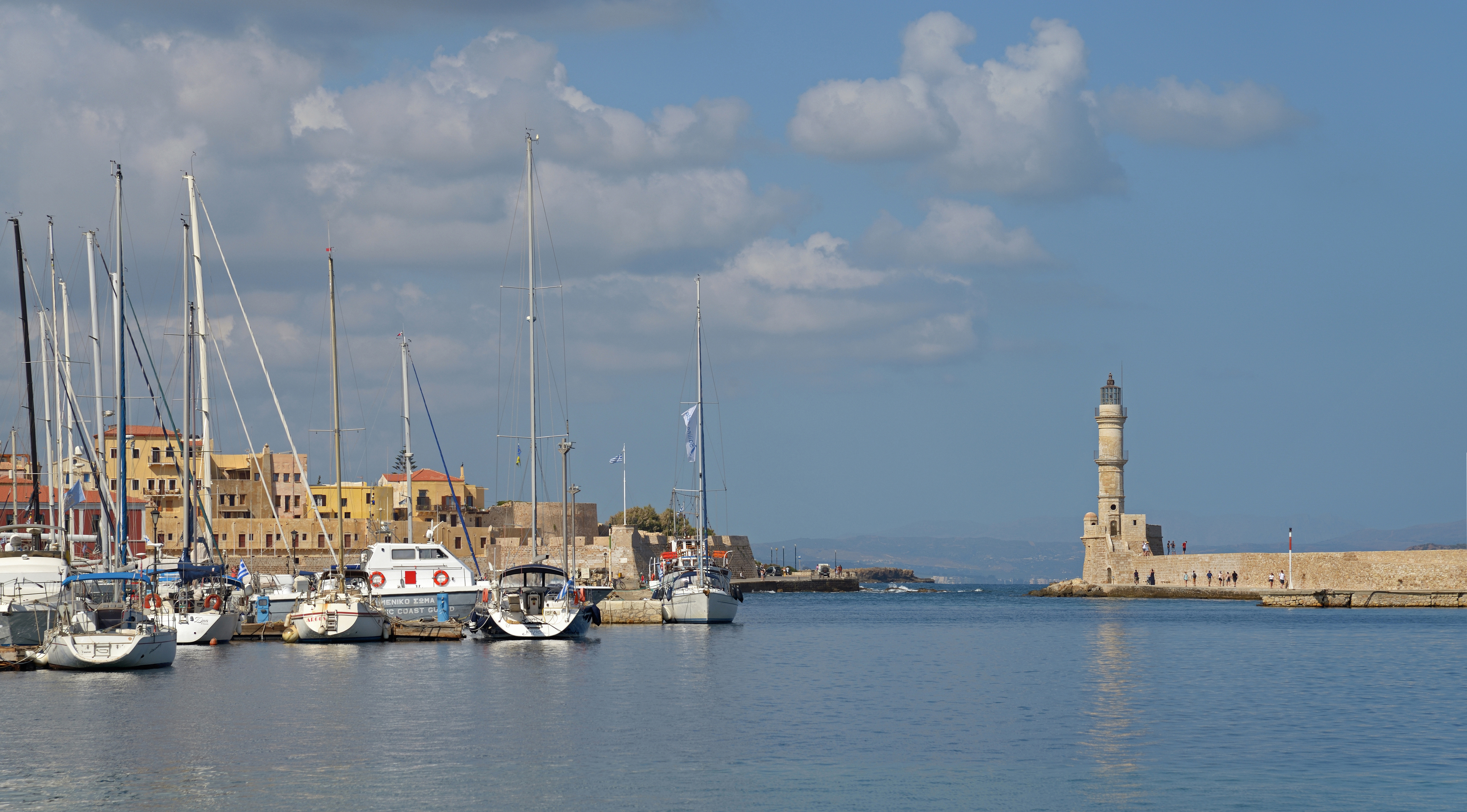
Chania’s Venetian harbour and old lanes make a rewarding base in the west. Rethymno combines a historic centre with an attractive waterfront. Heraklion is the gateway to the Palace of Knossos and major museums, while Agios Nikolaos and the east coast offer a different pace.
A 7-Day Crete Itinerary
- Day 1: Explore Chania’s old town, harbour and waterfront restaurants.
- Day 2: Visit a west-coast beach or take a boat excursion, checking access and weather.
- Day 3: Travel inland through traditional villages and enjoy a relaxed mountain lunch.
- Day 4: Discover Rethymno’s old town and Venetian fortress.
- Day 5: Visit Heraklion and the archaeological museum; allow time for Knossos.
- Day 6: Enjoy a slower day on the coast or explore the Lassithi Plateau.
- Day 7: Keep a flexible final day for a beach, short walk or favourite place.
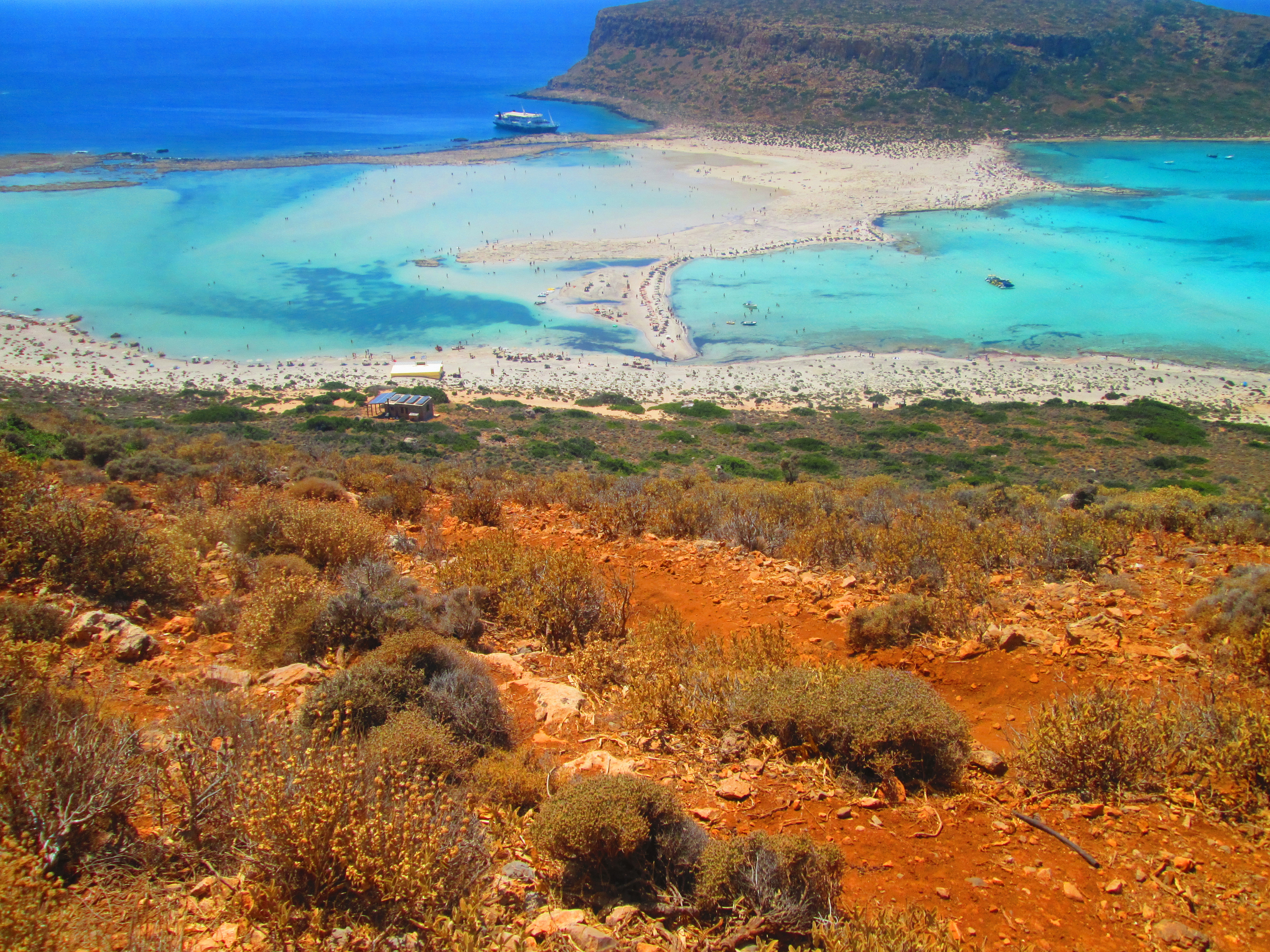
Balos Lagoon is one of Crete’s best-known coastal landscapes, with pale sand and shallow turquoise water. Access can involve a rough road, a boat trip or a hike, so check local conditions and plan ahead.
Getting Around Crete
Local buses connect the main towns and popular visitor areas, but services can be less frequent to remote beaches and villages. A hire car gives greater flexibility for exploring inland, while taxis and organised excursions can help with individual day trips. If you plan to use buses, check current seasonal timetables before travelling.
How Long to Stay
- 3–4 days: A short break focused on the main town and nearby highlights.
- 5–7 days: Enough time to explore several areas without rushing.
- 10–14 days: A slower island holiday with beach days, villages and inland excursions.
Practical Travel Tips
- Reserve accommodation and any popular excursions early for July and August.
- Pack sun protection and comfortable footwear for uneven streets and archaeological sites.
- Check ferry or flight connections before committing to onward travel.
- Carry some cash for small businesses and remote areas.
- Respect local customs, beaches and protected natural areas.
Recommended Travel Guidebooks

Explore current editions and island-specific guides before your trip:
- Lonely Planet: Find Crete guidebooks on Amazon UK.
- DK Eyewitness: Browse Greece guidebooks.
As an Amazon Associate, Discover More Travel earns from qualifying purchases.